Every month, one million Kenyan girls stay home from school, not because they are sick and not because they have failed, but because they cannot afford a sanitary pad.
RISE UP is a structured campaign addressing menstrual health, stigma, and youth economic exclusion as the interconnected public health emergency they are.
RISE UP: Restoring Integrity, Safety, & Empowerment is an agile intervention aimed at tackling the interconnected crises of menstrual health, stigma, and youth unemployment.
The planned RISE UP 2027 campaign focuses on Embakasi, a demographic powerhouse in Nairobi, which is home to 988,808 residents within just 86.3 square kilometres, making it the most densely populated sub-county in Kenya's capital.
From 2009 to 2019, the population grew by 49%, rising from 663,211 to 988,808, driven largely by high rates of rural-to-urban migration and its proximity to major transport routes, including Jomo Kenyatta International Airport, which supports various industrial and logistics jobs in the area.
In rapidly growing regions, high population density without sufficient infrastructure leads to increasing vulnerabilities. Informal settlements in Embakasi, such as Mukuru kwa Njenga, Pipeline, Kayole, Dandora, and Kariobangi, experience severe period poverty, often overlooked and deeply impactful.
RISE UP campaign specifically targets Grade 10 learners at the peak of adolescence. Under the Competency-Based Curriculum (CBC), this stage is critical as students major in their career pathways (STEM, Social Sciences, or Arts & Sports Science), influencing their access to vocational training and university education.
An adolescent girl who misses school during Grades 10-12 is forfeiting vital knowledge, confidence, and skills essential for higher learning and enhanced economic opportunities.
The campaign is implemented during school terms 1 and 2, aiming to reach the girls with dignity kits containing high-quality, industry-certified reusable pads. Reusable pads have a lifespan of 3-5 years, reducing the monthly costs of pad purchases, thereby minimizing missed school days due to period poverty. Additionally, both boys and girls will receive career mentorship from qualified professionals to inspire them to pursue careers and opportunities that extend beyond their immediate surroundings.
Globally, 500 million people lack adequate menstrual products or facilities. In sub-Saharan Africa, 23% of adolescent girls aged 12 to 18 drop out of school following the onset of menstruation.
In Kenya, that figure compounds into a specific, measurable catastrophe.
Learning lost per year — how the days accumulate
65% of Kenyan girls and women cannot afford sanitary products. Many resort to rags, cotton wool, or pieces of mattress, materials that expose them to infection and public humiliation.
When boys are never educated about menstruation, they unknowingly create environments of shame and teasing. Girls choose absence over humiliation. Silence from boys is not neutrality, it is fuel for stigma.
Few gender-separated lavatories, limited clean water access, and poor facility maintenance make school attendance unsafe and undignified during menstruation, even for girls who have products.
The campaign frames menstrual health as a public health issue that necessitates community-wide awareness, conversation, and action.
By engaging adolescent boys, corporate employers, media, and community structures alongside girls, RISE UP builds the broad social coalitions needed to make change last beyond the campaign window.
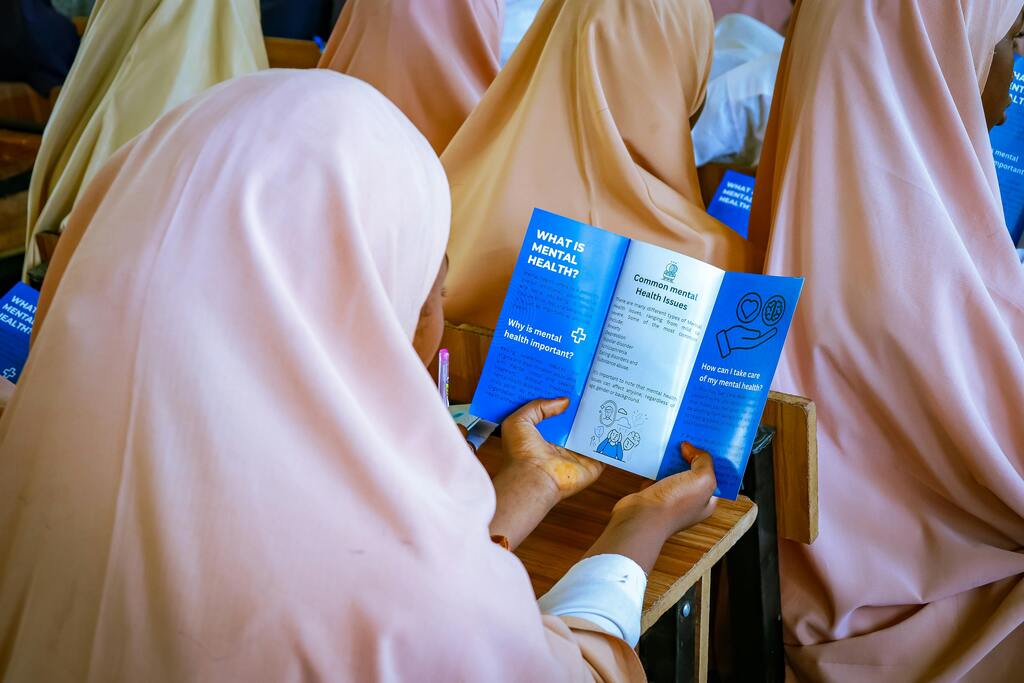
Accurate, age-appropriate health education covering biology, product use, hygiene, and rights, delivered by trained community health assistants.
Girls leave knowing their bodies, their rights, and their options.
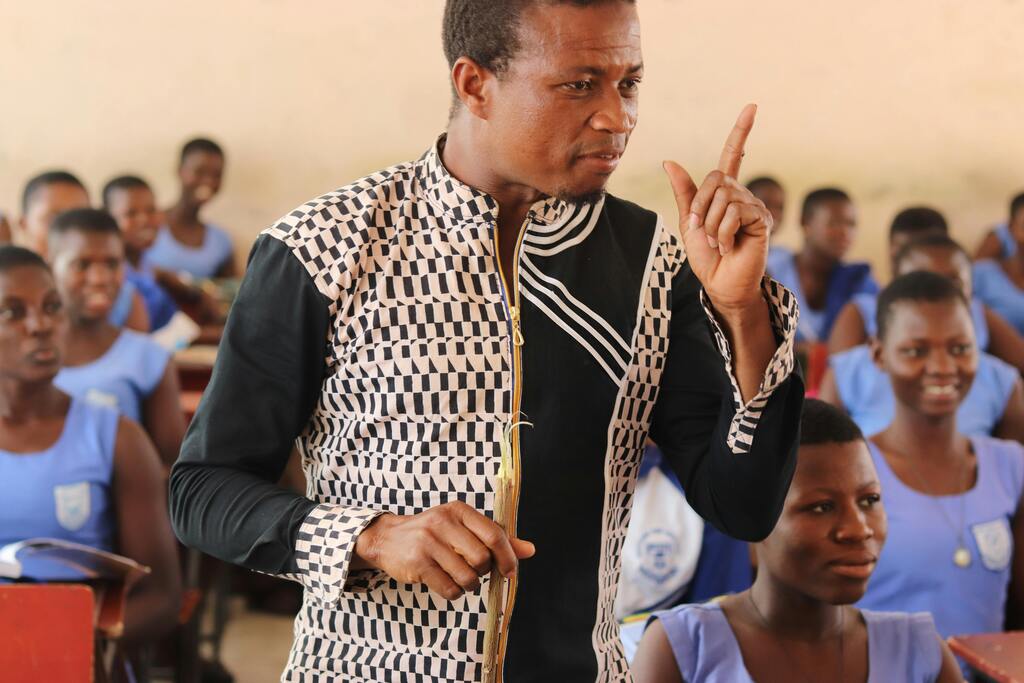
Structured sessions for adolescent boys and male teachers that dismantle menstrual myths at their school.
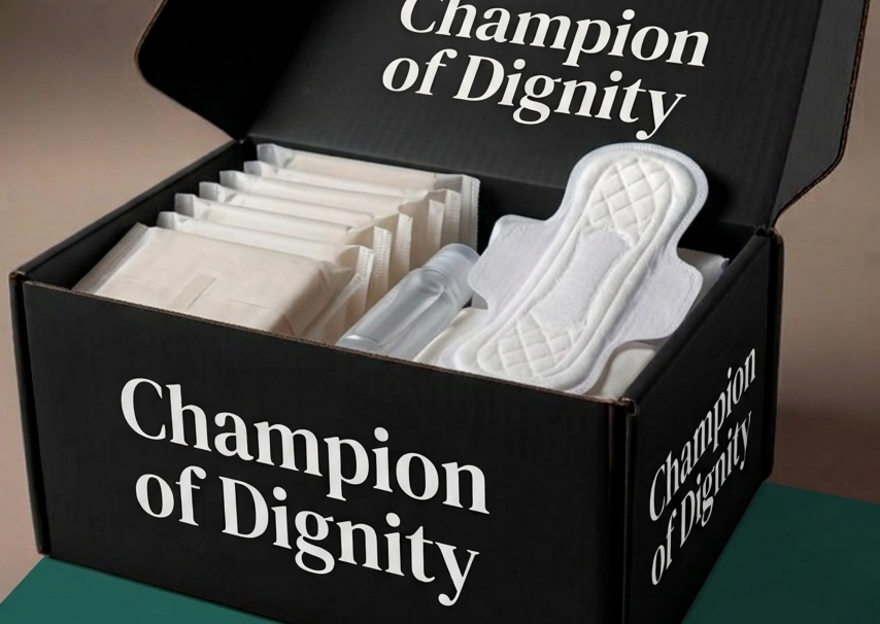
Each of the 3,000 girls receives a champions of dignity hygiene pack.
We simultaneously advocate for gender-separated lavatories and clean water access at every participating school.
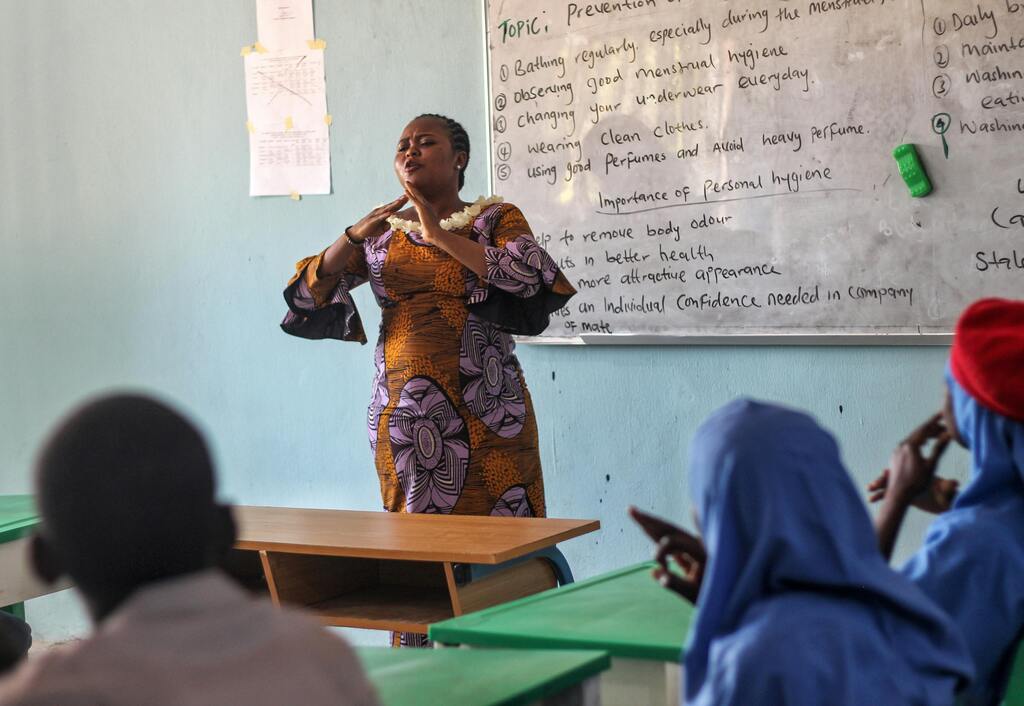
Corporate professionals lead 45-minute career engagement sessions.
Research consistently shows that early career exposure significantly increases aspiration scores and the likelihood of further education or vocational training.
Theory of Change
If...
Menstrual health is repositioned in public discourse as a community health issue rather than a private female concern
Girls access safe menstrual products alongside accurate, destigmatised health education
Boys receive structured empathy training that dismantles menstrual stigma at its social source
All students are connected with diverse professional career mentors ahead of CBC pathway selection
Then...
School attendance improves and absenteeism falls
Self-efficacy and aspiration grow among adolescents
The cycles of period poverty and economic exclusion begin to be interrupted
RISE UP's design is grounded in published evidence from quasi-experimental studies on menstrual health interventions in Kenyan school settings, MHM education research, and career mentorship studies showing measurable increases in aspiration scores among adolescents in Nairobi's urban-poor communities. Our targets reflect what the evidence says is achievable.
60%
target increase in menstrual health and hygiene knowledge among participants
Based on published MHM intervention studies in Kenya
40%
target reduction in period-related absenteeism over 6 to 12 months post-campaign
Kilifi County quasi-experimental study, 2024
80%
of students able to name at least one career pathway after career mentorship sessions
Career mentorship aspiration research, Nairobi urban settings
Better Tomorrow Systems is a Kenya-based organisation.
We design and deliver programmes in education, health, and community development across East Africa, working with CSR departments, civil society organisations (CSOs) and government teams.
We understand both grassroots implementation and donor compliance, and we hold ourselves accountable to both.
Sandra Wesa
Founder and Lead Consultant, Better Tomorrow Systems
Medical sociologist and development professional with over 10 years of experience designing and implementing programs across health, education, and community development in Kenya and East Africa. She founded Better Tomorrow Systems in 2025 to bridge the gap between strategic thinking and on-the-ground implementation.